 EN
EN
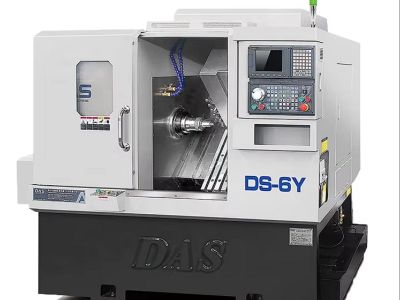
Multi-axis lathes are advanced machines that help make many products quickly and accurately. These machines can move in multiple directions. This allows them to create complex shapes and designs without needing to change tools or setups a lot. For companies like DAS, using multi-axis lathes means they can produce items with high precision. This is very valuable in batch production, where many identical pieces are made at once. The more precise the machine, the better the end product. This is why multi-axis lathes are becoming more popular in manufacturing.
How Multi Axis Lathe Improves Efficiency in Wholesale Manufacturing
Multi-axis lathes are very efficient. They can do many tasks in one go. For example, instead of making one part, stopping, and then starting another, a multi-axis lathe can make several parts at the same time. This saves time and reduces the number of steps workers must take, which is great for companies like DAS that need to produce large quantities. Imagine if a company needs 1,000 identical pieces. With a traditional lathe, workers might have to change tools often. But with a swiss lathe, they can set it up, start it, and let it run. This means less waiting time and more production time.
Another way these lathes improve efficiency is through their automation features. Some multi-axis lathes can run without much human help. This reduces the chance of mistakes that can happen when a person is operating the machine. Also, because they can work faster and longer, they help companies meet deadlines more easily. This is important for wholesale manufacturing, where timing can make or break a business deal. When DAS uses multi-axis lathes, they not only save time but also reduce costs. Less time spent on a project means less money spent on labor and materials.
Lastly, these machines can make changes quickly. If DAS needs to produce a new item, they can adjust the machine settings without starting over completely. This flexibility is crucial in today’s fast-paced market. Companies need to respond quickly to customer needs, and multi-axis lathes help them do just that. By combining speed, automation, and flexibility, multi-axis lathes help businesses like DAS stay ahead in the competitive market.
How Multi Axis Lathes Overcome Common Precision Issues in Manufacturing
Precision is key in manufacturing. Small mistakes can lead to big problems, especially when making many items. Multi-axis lathes are designed to tackle these precision issues. One way they do this is by allowing for more complex cuts and shapes in one setup. Traditional machines might need several setups to get the same result, which increases the chances of errors. With a multi-axis lathe, DAS can create detailed parts faster and with higher accuracy.
Another way these machines help is through their advanced control systems. swiss cnc lathe use computer technology to guide their movements. This means they can make tiny adjustments during the cutting process. If something is off by a millimeter, the machine can correct it right away. This is something that many older machines cannot do. By using this technology, DAS can produce parts that fit together perfectly. This is especially important in industries like aerospace or automotive, where safety and quality are critical.
Moreover, multi-axis lathes have enhanced tooling capabilities. They can use special tools that allow for better cutting angles and speeds. This means the finished product is smoother and more precise. For instance, if a part needs a specific finish, the machine can handle it without needing extra polishing. This leads to less waste and more efficient use of materials.
In addition, the ability to monitor the machining process in real-time helps catch problems before they become serious issues. If a tool is dull or if the machine is not operating correctly, adjustments can be made on the fly. This proactive approach ensures that DAS maintains high quality in every batch. With multi-axis lathes, precision becomes a part of the process, not just a goal. This technology allows companies to produce high-quality products that meet customer needs consistently.
What Wholesale Buyers Need to Know About Multi Axis Lathe Technology
When it comes to making many parts quickly and accurately, wholesale buyers should learn about multi axis lathe technology. A multi axis lathe is a special machine that helps create parts with great precision. It works by spinning a piece of material, usually metal or plastic, while cutting tools shape it into the desired form. The "multi axis" part means that the machine can move in several directions at once. This allows it to make complex shapes that are hard to create with regular machines. For wholesale buyers, this is important because it means they can get high-quality parts that fit well together, which is crucial for making finished products.
DAS is a company that understands how valuable swiss type lathe can be. These machines can save time and money by producing parts faster. Instead of needing different machines for different steps, a multi axis lathe can do everything in one go. This not only speeds up production but also reduces the chances of mistakes. When parts are made in one machine, they are more likely to be the same size and shape, which is very important for wholesale buyers who need many identical pieces. They can trust that the parts they order will work well together in their products. Moreover, multi axis lathes can handle various materials, which gives buyers more options when choosing what to use for their products. Overall, understanding how these machines work is essential for anyone looking to buy parts in bulk.
Common Challenges in Batch Production and How Multi Axis Lathes Solve Them
Batch production is when a company makes a large number of the same item at one time. While this method can be efficient, it comes with some challenges. One major challenge is keeping everything consistent. If some parts are slightly different from others, they may not fit together properly. This can lead to problems later, such as wasted time and materials. Another challenge is long production times. If a machine takes too long to make a part, it can slow down the entire process. This can lead to delays in delivering products to customers, which can hurt a business's reputation.
Multi axis lathes can help solve these problems. Because they can make complex shapes in one step, they help ensure that all parts are made the same way. This means fewer mistakes and more consistent results. With a multi axis lathe, the time it takes to produce each part is also reduced. Instead of moving parts from one machine to another, everything happens in one place. This speeds up the entire process and helps meet deadlines. DAS recognizes the importance of these advantages for wholesale buyers. By using multi axis lathes, businesses can improve their production quality and speed. This means they can keep their customers happy by delivering products on time and ensuring that everything fits together perfectly.
What Makes Multi Axis Lathes a Game Changer for Wholesale Suppliers?
For wholesale suppliers, using multi axis lathes can change the game in many ways. First and foremost, these machines increase efficiency. With the ability to perform multiple tasks at once, a multi axis lathe can produce more parts in less time. This is a big deal for suppliers who need to keep up with high demand. When customers place large orders, suppliers must find ways to fulfill those orders quickly. Multi axis lathes make this possible by reducing the number of machines needed for production and speeding up the overall process.
Another reason multi axis lathes are a game changer is their ability to create high-quality parts. Wholesale suppliers can rely on these machines to deliver precise and consistent products. This means that they can build trust with their customers, knowing that the parts they sell will work as intended. DAS understands that quality is key in wholesale business, and multi axis lathes help ensure that every part meets high standards. Additionally, they can work with different materials, allowing suppliers to offer a wider range of products to their customers. This flexibility can help suppliers stand out in a competitive market.
Finally, using multi axis lathes can also lower production costs. By reducing the time and number of machines needed, suppliers can save money. This can lead to better pricing for customers or higher profit margins for the supplier. In the end, multi axis lathes offer wholesale suppliers a way to improve their production process, enhance product quality, and save money. For those looking to succeed in the wholesale market, investing in this technology is a step in the right direction.