 EN
EN
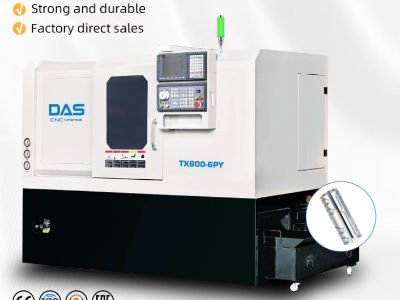
Multi-axis milling is an exciting technology that helps manufacturers make parts faster and more accurately. At DAS, we focus on using this technology to remove material from metal or other materials quickly. This process is important in making parts for cars, airplanes, and many other products. The multi axis turning can move in different directions, allowing them to cut shapes and designs that regular machines can't. This ability to move around gives them an edge in speed and precision. So, when we talk about faster material removal, we mean that these machines can take away more material in less time, making the whole process more efficient.
How Multi-Axis Milling Technology Improves Efficiency in Material Removal?
Multi-axis milling technology is all about movement. Traditional milling machines can only move in a few directions. But multi-axis machines can move in three, four, or even five directions. This flexibility allows them to reach every part of the material they are cutting. Imagine trying to carve a statue out of a large block of stone. If you could only move your chisel up and down, it would take forever to shape it. But if you could move your chisel in all directions, you could create the statue much faster. That’s how multi-axis milling works. It can cut more material away in less time and make complex shapes that other machines can’t. This not only speeds up the process but also reduces the need for extra finishing work later. When parts are made quickly and accurately, it saves time and money for everyone involved.
Another big plus is that multi-axis milling can use special tools that cut very fast and very efficiently. These tools can remove a lot of material quickly while maintaining a high level of precision. For example, if you are cutting a large piece of aluminum to make an airplane part, a multi axis cnc machine can take away more aluminum in a single pass. This means less time spent on each part and a better overall production rate. At DAS, we always strive to use the best tools and machines to ensure our customers get high-quality products quickly.
Additionally, multi-axis milling reduces waste. When machines cut materials, there is often leftover scrap. With multi-axis technology, the cutting paths are optimized so that less material is wasted. This is not only good for business but also better for the environment. Less waste means less material needs to be sourced and processed, which is a win-win for everyone.
What Makes Multi-Axis Milling a Preferred Choice for Wholesale Buyers?
Wholesale buyers love multi-axis milling for many reasons. Speed is one of the main reasons. When a buyer orders a large number of parts, they want them delivered quickly. The horizontal mill axis can produce these parts faster than traditional methods. This means buyers can get their products to market quicker. In today's fast-paced world, being first can make a huge difference.
Another reason wholesale buyers prefer this technology is the quality of the parts produced. Multi-axis milling allows for very precise cuts. This means parts fit together better, and there are fewer mistakes. When parts are made with high precision, it reduces the chances of problems during assembly. This reliability is crucial for businesses that rely on parts working perfectly together. Companies like DAS ensure that every part meets high standards, making it easier for wholesale buyers to trust in their purchases.
Cost efficiency also plays a big role in why buyers go for multi-axis milling. While the initial investment in this technology might be higher, the long-term savings are significant. Less waste, faster production times, and higher quality all contribute to lower costs in the long run. Buyers can save money, even if they pay a bit more upfront. DAS works hard to make this technology accessible, so buyers can reap those benefits.
Finally, the ability to create complex shapes is a huge advantage. Many products today require intricate designs that can be hard to achieve with older machines. Multi-axis milling opens up a world of possibilities. Wholesale buyers can get unique and specialized parts made just for their needs. This flexibility allows businesses to stand out in a crowded market. At DAS, we are excited to offer these innovative solutions to our clients, helping them succeed in their industries.
Where to Source Advanced Multi-Axis Milling Machines for Optimal Performance?
When looking for advanced multi-axis milling machines, it’s important to know where to find the best options. One reliable place to start is with companies that specialize in machinery, like DAS. They offer a range of high-quality milling machines designed for various tasks. You can visit their website or contact them directly to see what they have available. Another great way to find these machines is by attending trade shows or industry conferences. At these events, you can see the latest technology in action and talk to experts who can help you understand which machine is right for your needs. You can also meet other people who use milling machines and learn from their experiences. Online marketplaces are another option to consider. Websites that focus on industrial equipment often have listings for multi-axis milling machines. Be sure to read the reviews and check the ratings before making a purchase. This will help ensure you get a machine that is both reliable and effective. Additionally, think about your specific needs. Different projects may require different types of machines, so it’s a good idea to have a clear understanding of what you need. Consulting with professionals at DAS can also be very helpful. They can guide you in choosing the best machine for your projects. Remember, investing in a good multi-axis milling machine can make a big difference in the quality of your work and how quickly you can complete projects.
How to Leverage Physics for Enhanced Material Removal Rates in Milling?
Understanding how physics works can help you improve the speed and efficiency of material removal in milling. One important concept is the cutting speed, which is how fast the tool moves through the material. A higher cutting speed can lead to quicker material removal, but it must be balanced with the right feed rate and depth of cut. Feed rate is how fast the material is fed into the machine, while depth of cut is how deep the tool goes into the material. By finding the right combination of these factors, you can increase material removal rates while avoiding damage to the tool or the workpiece. Another key aspect is the tool design. Using tools with sharp edges and the right shape can make a big difference. Tools designed specifically for multi-axis milling can help achieve better results. They allow for more precise cuts and can handle complex shapes more effectively. Additionally, the type of material being cut matters too. Softer materials are easier to remove than harder ones. Knowing the properties of the materials you are working with can help you choose the right settings for your machine. Moreover, proper machine setup and maintenance play a critical role. Ensuring your machine is well-maintained and set up correctly will help it perform better. Regularly checking and replacing worn parts will keep your milling machine running smoothly. By applying these physics concepts and techniques, you can enhance material removal rates, making your projects faster and more efficient.