 EN
EN
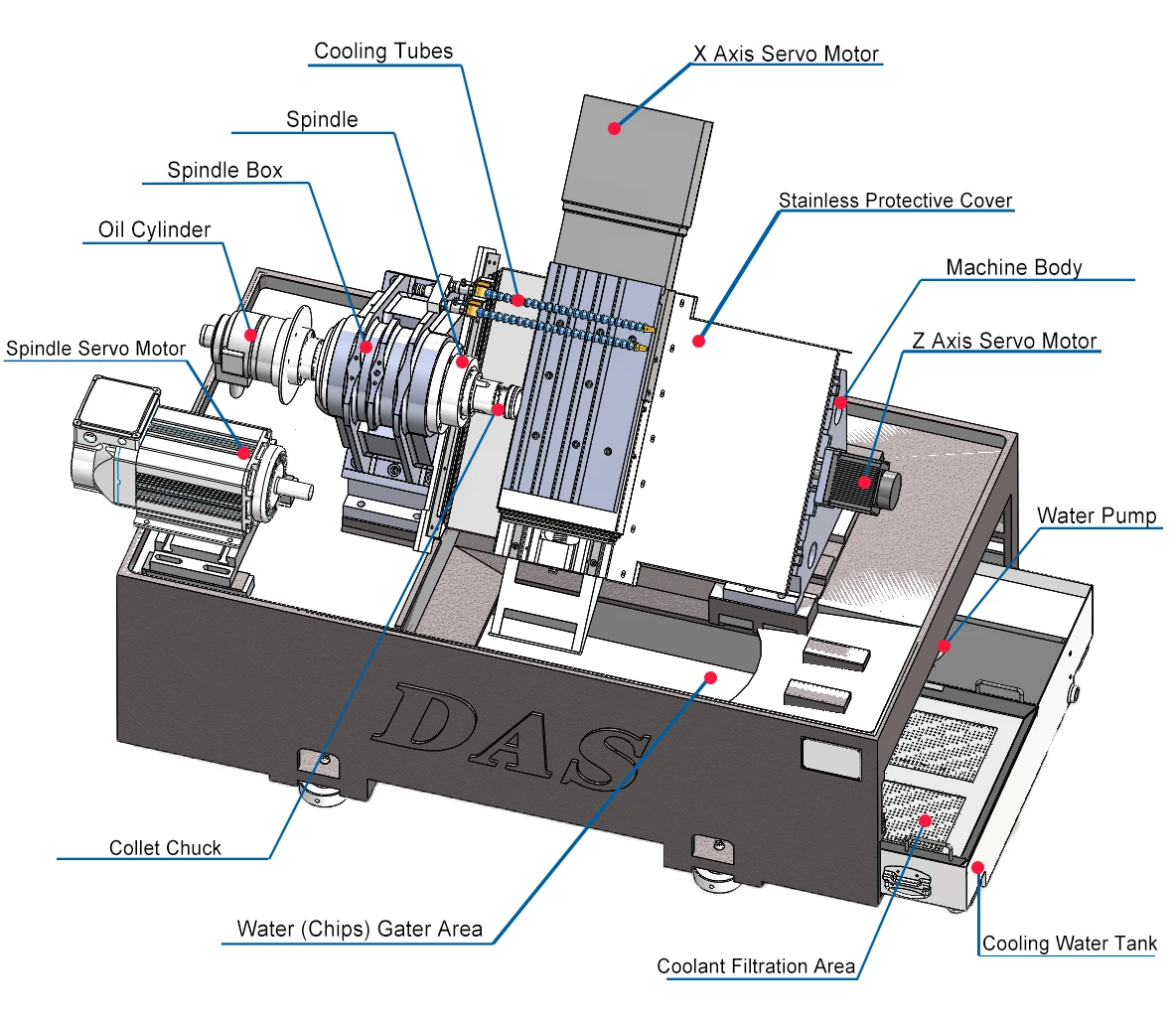
Automatic CNC machines are changing the way medical products are made. At DAS, we know how important it is to have precise and reliable machines in the medical field. These machines help create parts for things like surgical tools, implants, and even devices that save lives. With the help of CNC machines, manufacturers can produce high-quality items faster than ever before. This means that doctors can get the tools they need more quickly, and patients can receive better care. The technology behind CNC machines allows for more accuracy and less waste, which is crucial in a field where every detail matters. By using CNC machines, companies like DAS can help improve healthcare outcomes for everyone.
What Advantages Does an Automatic CNC Machine Offer for Medical Manufacturing?
One major advantage is precision. Automatic CNC machines can make parts that are very detailed and fit together perfectly. This is super important in medicine because even a small mistake can lead to big problems. For instance, if a part of a surgical tool isn’t made just right, it could hurt a patient instead of helping them. With CNC machine, manufacturers can create these complex shapes with ease. Another benefit is consistency. When a CNC machine makes parts, it can make many of them that are all the same. This means that every time a doctor needs a tool, they can trust that it will work just like the last one. Furthermore, these machines can work 24/7, which means they can make more products in less time. This helps to keep up with the high demand in the medical field. Plus, using CNC machines often means less waste because they cut materials more efficiently. This not only saves money but also helps the environment. Overall, the use of automatic CNC machines in medical manufacturing leads to better products and better care for patients.
What Are the Cost Savings of Using CNC Machines in Medical Manufacturing?
Cost savings is another big reason why many companies are turning to CNC machines, like we do at DAS. First off, these machines reduce the amount of material that gets wasted. When less material is wasted, companies save money. Also, CNC machines can work faster than human workers. This means that they can make more parts in the same amount of time. For example, if a company used to take three days to make a batch of surgical tools, a CNC machine might be able to do that in just one day. This speed can lead to more sales and more profits. Furthermore, the need for fewer workers can also lower labor costs. While it is important to have skilled workers to run these machines, the number needed is often less than if they were making everything by hand. This also helps companies save money. Lastly, because CNC machines make fewer mistakes than humans, companies can avoid costly errors. When mistakes happen, it can mean spending more money to fix them or even losing customers. So, using CNC machines can help medical manufacturers save money and provide better products at the same time.
How Do Automatic CNC Machines Enhance Precision in Medical Device Production?
Automatic CNC machines, like those made by DAS, play a crucial role in the production of medical devices. Precision is very important in this field because even a tiny mistake can lead to serious problems for patients. CNC stands for Computer Numerical Control, which means these machines are controlled by computers to ensure they cut and shape materials accurately. For example, when creating parts for surgical instruments or implants, the CNC machines follow exact measurements and designs. This helps to ensure that every piece is made the same way, which is essential for safety and effectiveness.
Using automatic CNC machines also reduces human error. In traditional manufacturing, workers might make mistakes when cutting or assembling parts. With CNC machines, the process is automated, which means the computer does the work. This leads to fewer mistakes and a better overall quality of medical devices. Moreover, CNC machines can work quickly and consistently. This means that a large number of medical devices can be produced in a shorter amount of time without losing quality. This is especially important in the medical field, where there is often a high demand for devices and instruments.
Another benefit is that CNC machines can work with different materials, such as metals and plastics, which are commonly used in medical devices. DAS CNC machines are designed to handle these materials well, ensuring that the final products meet the strict standards required in healthcare. The precision and consistency of CNC machines help medical companies build trust with doctors and patients, knowing that the devices will work correctly when they are needed. Overall, automatic CNC machines are vital in making sure that medical devices are safe, reliable, and effective.
What Common Issues Arise When Implementing CNC Machines in Medical Lines?
While automatic CNC machines provide many benefits, there are also some challenges when using them in medical lines. One common issue is the high cost of the machines and the technology required to run them. DAS machines are advanced and can be expensive to purchase and maintain. This can be a burden for smaller medical device companies or startups that may not have a lot of money to spend. They might struggle to afford the best CNC technology, which could limit their ability to create high-quality products.
Another issue is the need for skilled workers to operate these machines. Even though CNC machines are automated, they still require people who understand how to program and maintain them. Finding workers with the right skills can be challenging, especially in areas where there is a shortage of trained technicians. If a company cannot find qualified workers, it may not be able to use the CNC machine tools effectively, which can lead to production delays and increased costs.
Additionally, there can be problems with the integration of CNC machines into existing production lines. If a medical company has been using traditional manufacturing methods, switching to CNC technology can require a lot of adjustments. The layout of the factory may need to change, and workers will need to be trained on how to use the new machines. These changes can take time and money, which some companies might find difficult to manage.
Lastly, there are challenges related to quality control. While CNC machines are precise, any errors in programming or setup can lead to defects in the products. It is important for companies to have strong quality control measures in place to catch any mistakes before the devices reach doctors and patients. Overall, while CNC machines bring many advantages to the medical industry, these challenges must be carefully managed to ensure successful implementation.
What Innovations in Automatic CNC Technology Benefit the Medical Industry?
The world of automatic CNC technology is always changing, and new innovations are helping the medical industry in exciting ways. DAS is at the forefront of these advancements, making machines that are even smarter and more efficient. One important innovation is the development of advanced software that allows for better design and programming of CNC machines. This software can help engineers create more complex designs that were not possible before. For example, medical devices that need intricate shapes, like certain implants, can now be manufactured more easily and accurately with the help of this technology.
Another innovation is the use of artificial intelligence (AI) in CNC machine milling machine. AI can analyze data from the production process and help optimize how the machines operate. This means that the machines can learn from their past work and improve over time. For the medical industry, this means increased efficiency and even better precision in creating medical devices. AI can also help predict when a machine might need maintenance, reducing downtime and ensuring that production runs smoothly.
3D printing is another exciting area that is working alongside CNC technology. While CNC machining cuts away material, 3D printing adds material layer by layer. This combination allows for the creation of unique medical devices that fit the specific needs of patients. For example, custom implants can be made using a mix of CNC machining and 3D printing, ensuring a perfect fit for each individual. This is a huge benefit for surgeries where precision is critical.
Table of Contents
- What Advantages Does an Automatic CNC Machine Offer for Medical Manufacturing?
- What Are the Cost Savings of Using CNC Machines in Medical Manufacturing?
- How Do Automatic CNC Machines Enhance Precision in Medical Device Production?
- What Common Issues Arise When Implementing CNC Machines in Medical Lines?
- What Innovations in Automatic CNC Technology Benefit the Medical Industry?