 EN
EN
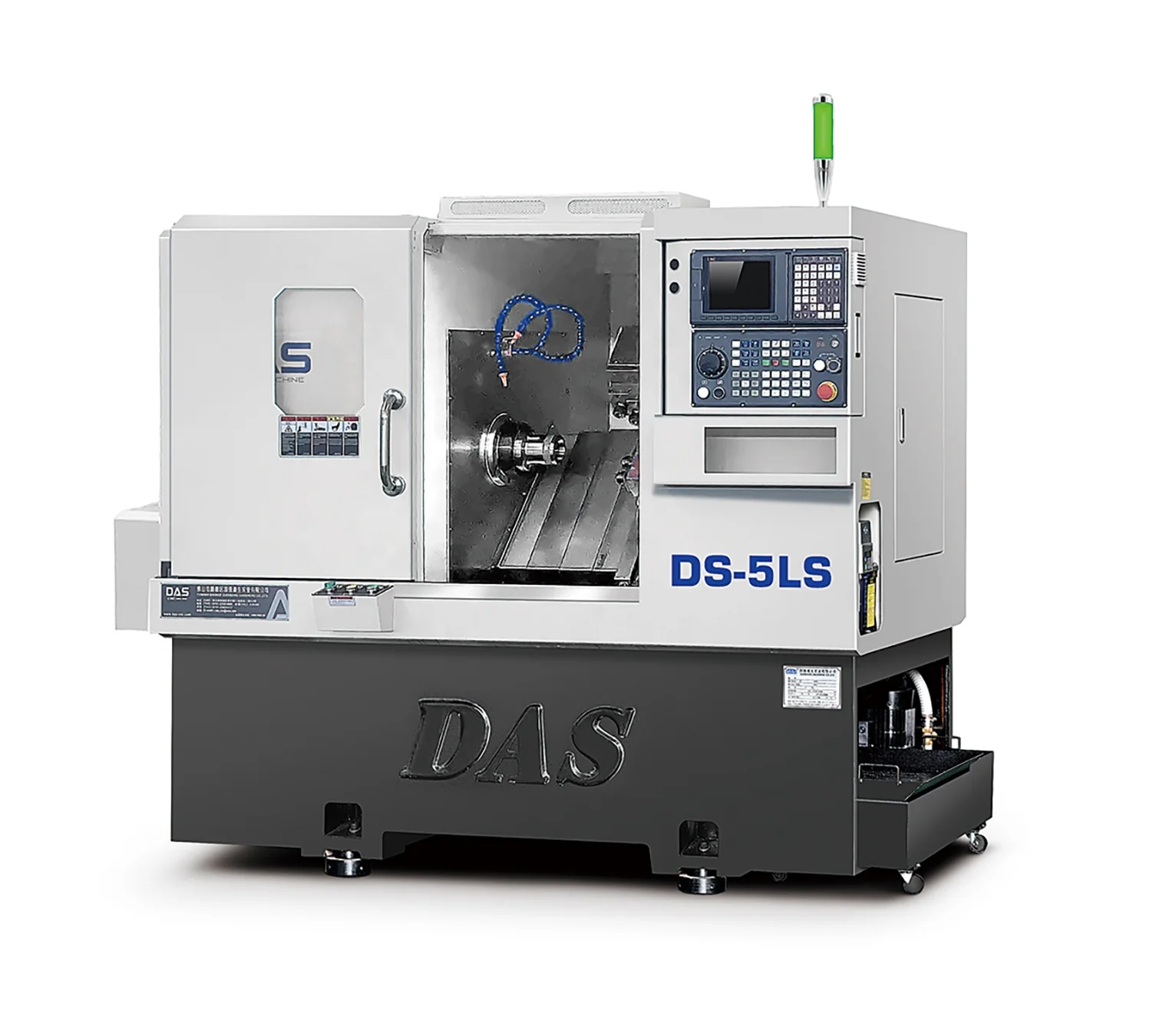
Setting up an axis lathe in a hardware factory can be tricky but also very rewarding. An axis lathe is a machine used to shape materials like metal and wood into parts we need for different products. For factories, having the right setup means being able to make parts quickly and accurately. When you set it up correctly, you save time and reduce mistakes. This article will help you understand how to set up an axis lathe smartly, where to find good guides, and what common problems you might face.
Where to Find Reliable Axis Lathe Setup Guides for Hardware Factories
If you're looking for good guides to set up an axis lathe, there are many places to check. One great source is the internet. Websites dedicated to manufacturing often have articles and videos that explain how to set up a lathe. You can also visit forums where professionals share their experiences. These places are filled with helpful tips and tricks. Another option is to look for books on machine setup. These books can be found in libraries or bookstores. They often include detailed instructions and pictures to help you understand the process better. Don’t forget about YouTube! Many experienced machinists post videos showing step-by-step setups. Watching these can give you a better idea of what to expect. Always remember to check the credibility of the source. Guides from well-known companies or experts in the field are usually more reliable. At DAS, we also provide resources and support for setting up your lathe. Our website has a section with guides and FAQs that can help you. If you’re still unsure, consider asking for help from someone with experience. Getting guidance from a professional can save you from making mistakes that could cost time and money.
Common Issues When Setting Up an Axis Lathe and How to Solve Them
Setting up an axis lathe can sometimes come with challenges. One common issue is misalignment. If the lathe is not aligned correctly, the parts you make may not fit together. This can happen if the machine is not level or if the tools are not set up right. To fix this, you should use a level to check the machine. Adjust the feet of the lathe if needed to make it level. Another issue can be tool wear. If you don’t change or sharpen your tools regularly, they can become dull. Dull tools can cause rough surfaces on your parts. A good practice is to keep extra tools on hand and check them often. Temperature changes can also affect your setup. If it’s too hot or too cold, it can make materials expand or contract, leading to mistakes. Try to keep your factory at a stable temperature. Sometimes, you may face software problems when your lathe is computer-controlled. If the software crashes or doesn't work as expected, it can be frustrating. Make sure to have a backup of your settings and understand how to reset the system. Regular maintenance of your lathe is key. Clean it often, check for loose parts, and lubricate the moving parts. By doing these simple tasks, you can avoid many problems and keep your lathe running smoothly, allowing you to focus on making great products.
Setting up an axis lathe is important for any hardware factory. By following the smart steps laid out here, you can ensure your lathe works well and makes high-quality parts. Remember, finding good guides and knowing how to solve common problems can save you time and money in the long run. At DAS, we are here to help you along the way!
What Are the Key Features to Look for in an Axis Lathe for Wholesale Production?
When choosing an axis lathe for wholesale production, it is important to look for certain key features. First, you want a lathe that is strong and durable. This means it should be made from high-quality materials so it can work well for a long time. A strong lathe can handle heavy work without breaking or getting damaged. Next, consider the size of the lathe. It should be big enough to make the parts you need, but not too big that it takes up too much space in your factory. It’s also good to have a CNC lathe that is easy to operate. A simple control panel helps workers use it without confusion. Look for an axis lathe that has a good speed range. This means it can work quickly or slowly depending on what you are making. Some parts need fast cutting, while others need careful, slow work. Another feature to think about is the lathe's ability to change tools easily. An axis lathe that can switch tools quickly saves time and helps in making different types of parts. It can also increase the efficiency of the production process. A lathe with good safety features is essential too. Safety switches and covers protect workers from accidents. Lastly, consider the brand and support. A company like DAS offers reliable lathes and good customer service, which means if something goes wrong, help is easy to find. By looking for these key features, you can choose the right axis lathe that fits your hardware factory's needs.
Where to Source High-Quality Axis Lathes for Wholesale Hardware Needs
Finding high-quality axis lathes for your wholesale hardware needs can be straightforward if you know where to look. One of the best places to start is online. Many companies, including DAS, have websites where you can see different models of lathes. On these websites, you can read descriptions and see pictures, making it easier to find what you need. It’s also helpful to read reviews from other customers. Reviews can tell you how well the lathe works and if it is worth the price. Besides online shopping, you can visit machinery trade shows. These events allow you to see lathes in person, talk to experts, and sometimes even test the machines. At these shows, you can ask questions and learn more about how different lathes work. Another option is to reach out to local distributors. They often have good connections and can help you find quality lathes at competitive prices. Local distributors may also provide after-sales support and maintenance services, which are important for keeping your lathe running smoothly. Don't forget to ask about warranties too. A good warranty shows that the company believes in their product. Finally, another way to source lathes is through recommendations. Talk to other factories and businesses to see where they buy their equipment. They might have tips on which brands and models work best. By looking in these places, you can find high-quality axis lathes that suit your hardware factory’s needs.
What Are the Benefits of Using an Axis Lathe in Hardware Manufacturing?
Using an axis lathe in hardware manufacturing has many benefits. First, these lathes are very precise. They can cut and shape materials to exact measurements. This precision is important because it means the parts you make will fit together perfectly. For example, if you are making screws or bolts, a small mistake can cause big problems. An axis lathe helps avoid these mistakes, which leads to better quality products. Another benefit is the speed of production. Axis lathes can work quickly, allowing factories to make more parts in less time. This speed is crucial in wholesale production, where meeting deadlines is important. By using an axis lathe, you can keep up with orders and satisfy customers faster. Additionally, these CNC engine lathe can be used to make different types of parts. This versatility means you can switch from making one product to another without needing a new machine. This flexibility is great for factories that produce a variety of hardware. Moreover, using an axis lathe can reduce labor costs. Since the machine can do a lot of work on its own, fewer workers are needed to operate it. This allows your staff to focus on other important tasks, increasing overall productivity. Finally, investing in a high-quality axis lathe, like those from DAS, can lead to long-term savings. While the initial cost may seem high, the durability and efficiency of the lathe can save money over time. By making fewer mistakes and producing more parts, you can increase profits. In summary, the use of an axis lathe in hardware manufacturing offers precision, speed, versatility, cost savings, and better product quality, making it a smart choice for any factory.
Table of Contents
- Where to Find Reliable Axis Lathe Setup Guides for Hardware Factories
- Common Issues When Setting Up an Axis Lathe and How to Solve Them
- What Are the Key Features to Look for in an Axis Lathe for Wholesale Production?
- Where to Source High-Quality Axis Lathes for Wholesale Hardware Needs
- What Are the Benefits of Using an Axis Lathe in Hardware Manufacturing?